Living with sleep apnea can make getting a good night’s sleep challenging. Frequent awakenings, loud snoring, and daytime tiredness can affect your daily routine and overall well-being. Fortunately, different treatment options are available to help manage obstructive sleep apnea (OSA), including oral appliance therapy and Continuous Positive Airway Pressure (CPAP).
But when it comes to comfort, is an oral appliance more comfortable than CPAP? The answer depends on your sleep apnea severity, personal preferences, and individual needs. Understanding how these options work can help you have a more informed conversation with your healthcare provider.
What Is Oral Appliance Therapy for Sleep Apnea?
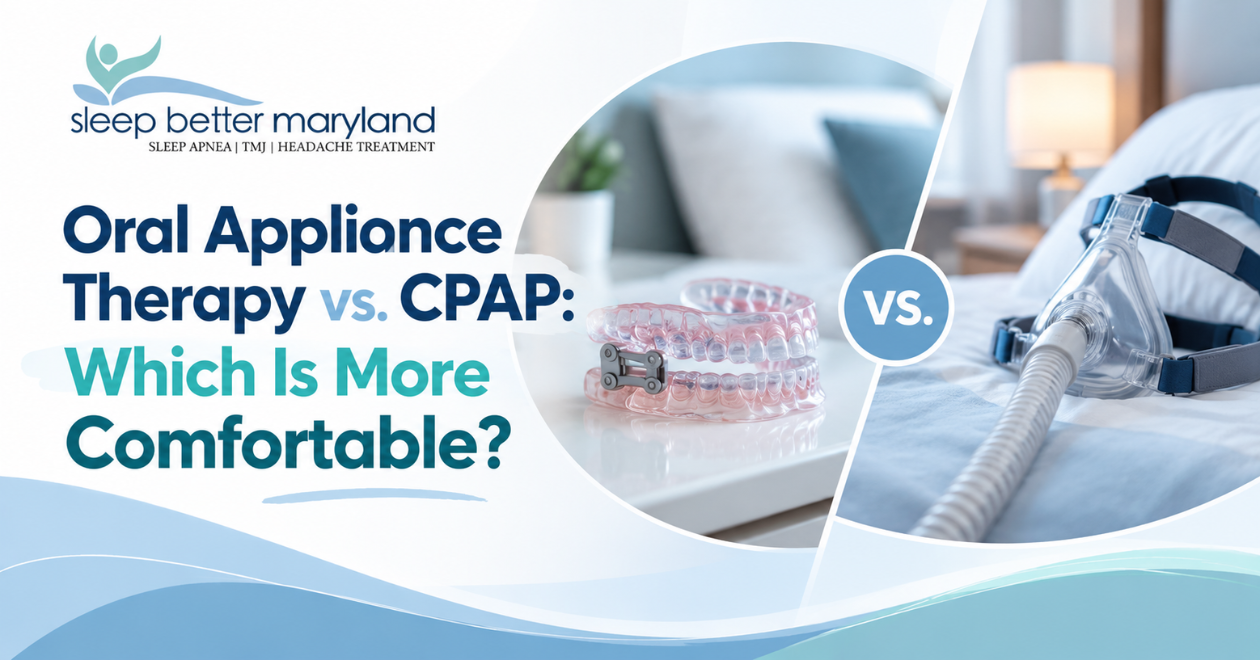
Oral appliance therapy uses a custom-fitted dental device worn during sleep to help keep the airway open. One common type is a mandibular advancement device (MAD), which gently positions the lower jaw forward to reduce airway obstruction.
This option may be suitable for some people with mild to moderate obstructive sleep apnea, as well as individuals who cannot tolerate CPAP or prefer an alternative. A qualified dentist with experience in sleep-related breathing disorders can assess whether this approach is appropriate.
Potential comfort benefits include:
- Small, portable, and easy to carry while travelling.
- No mask, air tubing, or electrical equipment required.
- Generally quiet during use.
- Simple bedtime routine once the device has been fitted.
However, some people may experience jaw discomfort, tooth soreness, dry mouth, or changes in their bite. Regular dental follow-up is important to monitor these effects.
What is CPAP Therapy?
CPAP therapy uses a machine to deliver a steady flow of pressurised air through a mask worn over the nose, mouth, or both. This airflow helps prevent the upper airway from collapsing during sleep.
CPAP is a well-established treatment and is commonly recommended for moderate to severe obstructive sleep apnea.
Potential benefits include:
- Helps keep the airway open throughout sleep when used correctly.
- Can effectively reduce breathing interruptions.
- Offers different mask styles to suit individual needs.
- Allows treatment effectiveness to be monitored through device data.
Some people adjust to CPAP easily, while others experience mask pressure, air leaks, nasal dryness or difficulty getting used to the equipment.
For sleep apnea guidance, SleepBetter Maryland can help you explore suitable care options at a top sleep apnea treatment clinic in Maryland.
Which Is More Comfortable: Oral Appliance or CPAP?
Comfort is an important factor because a treatment needs to fit into your everyday life.
When an Oral Appliance May Feel More Comfortable
An oral appliance may appeal to people who dislike wearing a mask or sleeping with tubes connected to a machine. Its compact design makes it convenient for travel, and it does not require electricity while in use.
However, comfort depends on proper fitting, jaw health, dental condition, and individual tolerance. It may take time to adjust to wearing the device.
When CPAP May Feel More Comfortable
CPAP may be a better option for people who need more effective control of moderate to severe sleep apnea. Modern machines offer different mask designs and comfort settings that may help make treatment easier.
With appropriate mask fitting and gradual adjustment, many people become comfortable using CPAP during sleep.
The important point: The most comfortable treatment is one that works effectively for your condition and that you can use consistently.
Is an Oral Appliance as Effective as CPAP?
Oral appliance therapy can be effective for selected patients, particularly those with mild to moderate obstructive sleep apnea. However, CPAP generally reduces the number of breathing interruptions more effectively, especially in people with more severe sleep apnea.
An oral appliance may still be considered when CPAP is not tolerated or when a patient prefers an alternative after discussing the benefits and limitations with their healthcare provider.
After starting oral appliance therapy, follow-up sleep testing is important to check whether the device is adequately controlling sleep apnea. Feeling less tired or noticing reduced snoring does not necessarily mean the condition is fully controlled.
How Do You Know Which Treatment Is Right for You?
Choosing between oral appliance therapy and CPAP requires an individual assessment. Your healthcare provider may consider:
- The severity of your sleep apnea.
- Your sleep study results and symptoms.
- Your dental health and jaw condition.
- Whether you can comfortably use a mask.
- Your lifestyle, travel needs, and treatment preferences.
If you have persistent snoring, pauses in breathing, gasping during sleep, or excessive daytime sleepiness, seek medical evaluation rather than choosing a treatment based on comfort alone.
SleepBetter Maryland can help you explore sleep apnea care options and connect with guidance from a best sleep apnea specialist in Maryland to understand which treatment may suit your needs.
Better Sleep Starts with the Right Choice
Oral appliance therapy and CPAP can both help manage obstructive sleep apnea, but they offer different experiences. An oral appliance is compact and quiet, while CPAP generally provides stronger control of breathing interruptions.
If you are unsure which option is right for you, SleepBetter Maryland can be a starting point for exploring sleep apnea care and learning about appropriate treatment options. Discuss your symptoms, sleep study results, and comfort preferences with a qualified healthcare professional to make an informed decision.
A comfortable night’s sleep matters, but effective treatment matters just as much.