You know that feeling when you wake up more exhausted than when you went to bed? Or when your partner nudges you awake—again—because you’ve stopped breathing in your sleep? It’s frustrating, scary even, and honestly, you’re not alone in this struggle.
If you’re searching for sleep apnea treatment in Clarksville, Maryland, chances are you’ve already been down the CPAP road. Maybe you tried it and hated the mask. Maybe you’re still using it but feeling claustrophobic every single night. Or perhaps you’re just starting to realize that your chronic fatigue, morning headaches, and loud snoring might actually be signs of something more serious.
Here’s the thing—there’s a better way. And it doesn’t involve bulky machines, uncomfortable masks, or that dreaded hose following you around all night.
What Actually Is Sleep Apnea? (And Why Should You Care?)
Sleep apnea isn’t just about snoring, though that’s usually the first red flag. It’s a serious sleep disorder where your breathing repeatedly stops and starts throughout the night. We’re talking about potentially hundreds of times each night, with each pause lasting anywhere from a few seconds to over a minute.
Think about that for a second. Your brain and body are being repeatedly starved of oxygen while you sleep. No wonder you wake up feeling like you’ve been hit by a truck.
Obstructive sleep apnea (OSA) happens when the muscles in the back of your throat relax too much during sleep, temporarily blocking your airway. Your brain notices you’re not breathing, panics a little, and jolts you awake just enough to restart your breathing. You probably don’t even remember these micro-awakenings, but they’re absolutely destroying your sleep quality.
And the consequences? They’re not pretty. Untreated sleep apnea has been linked to high blood pressure, heart disease, stroke, diabetes, depression, and even an increased risk of car accidents due to daytime drowsiness. This isn’t something you can just ignore and hope it goes away.
The CPAP Problem Nobody Talks About
Let’s be honest—CPAP machines work. They’re considered the gold standard for a reason. But here’s what the statistics don’t tell you: compliance rates are terrible. Studies show that up to 50% of people prescribed a CPAP machine stop using it within the first year.
Why? Well, try sleeping with a mask strapped to your face, connected to a machine that sounds like Darth Vader’s less successful cousin. It’s uncomfortable, it’s noisy, it makes you feel claustrophobic, and good luck trying to sleep on your side or stomach. Plus, try packing that thing for a weekend trip—it’s about as convenient as bringing your entire bedroom along.
The dirty little secret of sleep medicine is that the best treatment in the world doesn’t matter if you won’t actually use it.
That’s where oral appliance therapy comes in, and that’s exactly what we specialize in at Sleep Better Maryland right here in Clarksville, Maryland.
What Makes Oral Appliance Therapy Different?
Imagine treating your sleep apnea with something that looks similar to a sports mouthguard or orthodontic retainer. No mask. No machine. No hoses. Just a custom-fitted oral device that you pop in before bed.
Sounds too simple to work, right? Except it does work—really well—for the right patients.
Oral appliance therapy uses a mandibular advancement device (fancy term, simple concept) that gently repositions your lower jaw and tongue forward while you sleep. This slight adjustment keeps your airway open, preventing those scary breathing pauses and letting you actually get the restorative sleep your body desperately needs.
Dr. Rashmi Parmar has dedicated her practice to helping patients find relief from sleep apnea using these innovative oral appliances. And before you ask—yes, she’s specifically trained in dental sleep medicine, which is actually a specialized field that combines dentistry with sleep disorder treatment.
How Do These Oral Appliances Actually Work?
The science behind oral appliances is surprisingly straightforward. When you sleep, gravity naturally causes your jaw, tongue, and soft tissues in your throat to relax backward. For people with sleep apnea, this relaxation creates a bottleneck in the airway—kind of like how a garden hose stops flowing when you step on it.
An oral appliance physically prevents this collapse by holding your jaw in a slightly forward position. It’s a mechanical solution to a mechanical problem. By maintaining that forward positioning throughout the night, your airway stays open, air flows freely, and your brain gets the oxygen it needs without constant interruptions.
The devices we use at Sleep Better Maryland are custom-fabricated specifically for your mouth. This isn’t some one-size-fits-all contraption you order online. Dr. Parmar takes precise impressions of your teeth and works with specialized dental labs to create an appliance that fits comfortably and works effectively for your specific anatomy.
Who’s Actually a Good Candidate for Oral Appliance Therapy?
Here’s the honest truth—oral appliances aren’t for everyone, but they’re perfect for many people. Generally speaking, you might be an excellent candidate if you have:
- Mild to moderate obstructive sleep apnea
- Severe sleep apnea but can’t tolerate CPAP therapy
- Primary snoring that’s disrupting your (or your partner’s) sleep
- A strong preference for a portable, travel-friendly treatment option
- Claustrophobia or anxiety related to CPAP masks
- A lifestyle that involves frequent travel
The FDA has approved several oral appliances specifically for treating obstructive sleep apnea and snoring, and insurance coverage has gotten significantly better over the past few years. Most medical insurance plans now cover oral appliance therapy, especially when CPAP has failed or isn’t tolerated.
That said, you’ll need a sleep study (either an in-lab study or a home sleep test) to officially diagnose your sleep apnea and determine its severity. Dr. Parmar can coordinate this testing for you, making the entire process as seamless as possible.
What Should You Expect During Treatment?
Let’s walk through what the actual process looks like when you choose oral appliance therapy at Sleep Better Maryland in Clarksville.
Initial Consultation: Your first visit involves a comprehensive evaluation where Dr. Parmar reviews your medical history, sleep symptoms, and any previous sleep studies. She’ll examine your mouth, jaw, teeth, and airway to determine if you’re a good candidate for oral appliance therapy. This isn’t a rushed appointment—expect Dr. Parmar to actually listen to your concerns and answer your questions thoroughly.
Sleep Study (If Needed): If you haven’t had a recent sleep study, you’ll need one to confirm your diagnosis and establish a baseline for your sleep apnea severity. Many patients can now complete this testing in the comfort of their own home with a portable monitoring device.
Custom Fitting: Once you’re approved for treatment, Dr. Parmar takes detailed impressions of your teeth and bite. These impressions are sent to a specialized dental lab that fabricates your custom oral appliance. The entire process typically takes a few weeks.
Delivery and Adjustment: When your appliance is ready, you’ll return to have it fitted and adjusted. Dr. Parmar will teach you how to insert it, remove it, clean it, and make minor adjustments at home. The initial fit might feel a bit strange (like wearing a retainer for the first time), but most patients adapt within a few nights.
Follow-Up Care: This is where many practices drop the ball, but not Sleep Better Maryland. Dr. Parmar schedules regular follow-up appointments to ensure your appliance is working effectively and comfortably. You’ll likely need some fine-tuning in the first few months, and that’s completely normal. Eventually, you’ll need a follow-up sleep study to objectively confirm that your treatment is working.
The adjustment period varies from person to person. Some patients love their oral appliance immediately; others need a few weeks to get completely comfortable. You might experience some mild jaw soreness or excess salivation initially, but these side effects typically resolve quickly.
Real Benefits You’ll Actually Notice
Let’s talk about what changes when you start sleeping better. And I mean really sleeping—not just lying in bed with your eyes closed for eight hours.
First, you’ll notice the energy difference. That mid-afternoon crash where you’d kill for a nap? Gone. You’ll actually wake up feeling refreshed instead of hitting the snooze button seventeen times. Your partner will probably notice you’re less irritable too (though they might be too polite to mention it).
The cognitive improvements are equally impressive. When your brain gets consistent oxygen all night long, your memory improves, your concentration sharpens, and that persistent brain fog finally lifts. Patients often tell Dr. Parmar they feel like they’ve gotten their mental clarity back.
Then there are the long-term health benefits. By treating your sleep apnea effectively, you’re reducing your risk of cardiovascular disease, stroke, and metabolic disorders. Your blood pressure might improve. Your diabetes management might become easier. You’re literally adding years to your life—quality years where you have the energy to actually enjoy yourself.
And let’s not forget the relationship benefits. Severe snoring and sleep apnea put real strain on partnerships. When one person can’t sleep because the other is sawing logs all night, resentment builds. When that stops, intimacy and connection often improve. It sounds small, but it’s actually huge.
Why Choose Sleep Better Maryland for Your Sleep Apnea Treatment?
Look, there are other dental practices in the Clarksville area, and there are certainly other providers who offer oral appliance therapy. So why should you choose Sleep Better Maryland and Dr. Rashmi Parmar specifically?
Dr. Parmar has dedicated her entire practice to dental sleep medicine. This isn’t a side service she offers between filling cavities and whitening teeth—this is her specialty, her passion, and her area of expertise. She stays current with the latest research, technologies, and treatment protocols in sleep medicine.
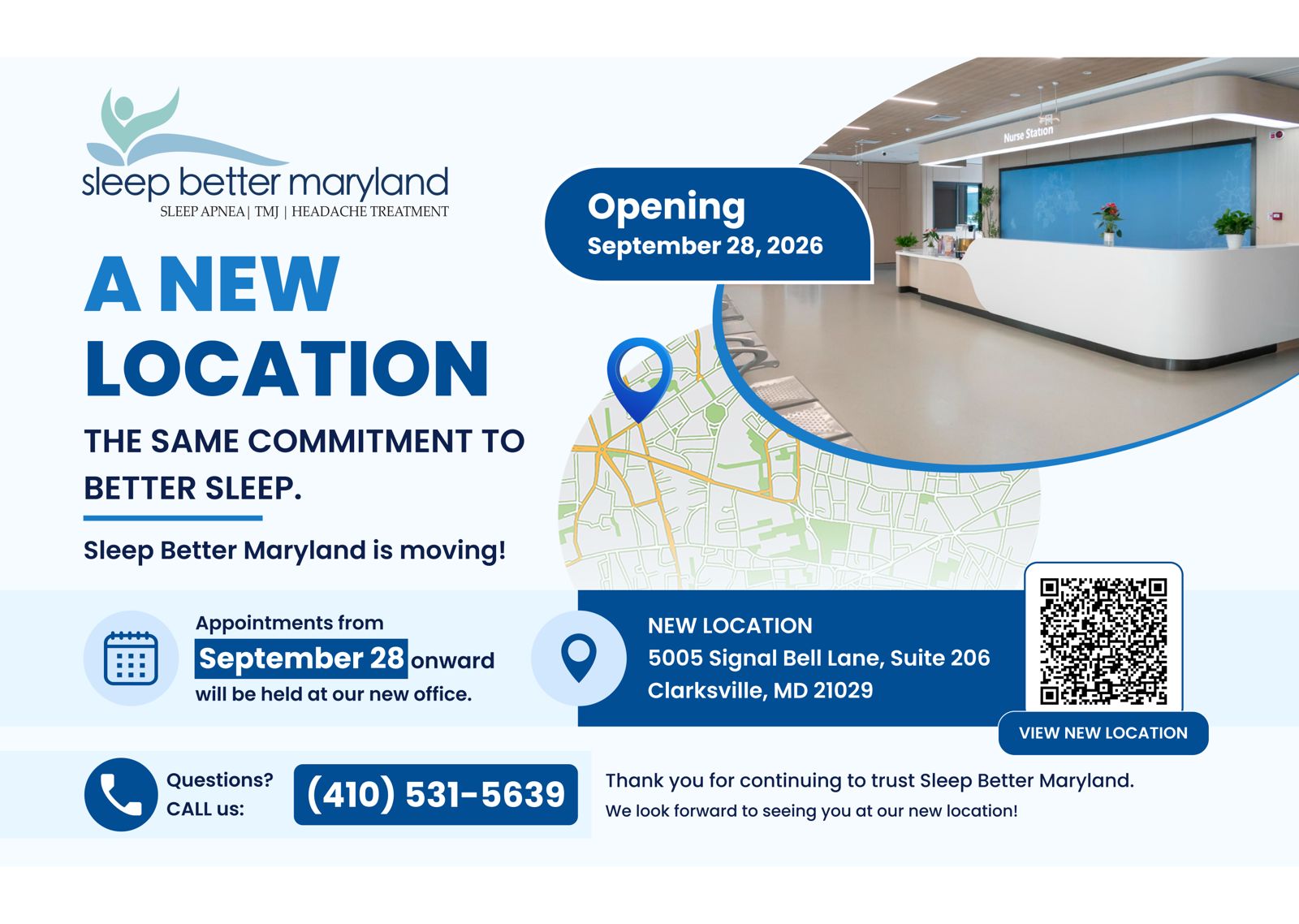
The practice is conveniently located at 12620 Clarksville Pike, Suite A, right in the heart of Clarksville, Maryland. Whether you’re coming from Columbia, Ellicott City, Highland, or anywhere else in Howard County, you’ll find the office easily accessible.
But more importantly, Dr. Parmar takes a truly personalized approach to treatment. She recognizes that every patient’s anatomy is different, every person’s sleep apnea is unique, and what works brilliantly for one person might not work for another. You’re not getting a cookie-cutter treatment plan—you’re getting a solution designed specifically for you.
The office environment itself is welcoming and comfortable, not cold and clinical. The staff actually knows your name. Appointments run on time. You’re treated like a person, not a patient number.
Common Questions About Oral Appliance Therapy
“Will insurance cover this?” Most medical insurance plans cover oral appliance therapy for diagnosed sleep apnea, especially when it’s prescribed as an alternative to CPAP. The team at Sleep Better Maryland handles the insurance verification and prior authorization process, so you’re not navigating that nightmare alone.
“How long do these appliances last?” With proper care, most oral appliances last between three to five years. Some patients get even longer use from theirs. They’re surprisingly durable.
“Can I still see my regular dentist?” Absolutely. In fact, Dr. Parmar encourages you to maintain your regular dental care. She’ll coordinate with your general dentist to ensure your oral health stays optimal.
“What if it doesn’t work for me?” This is why follow-up care is so important. If your initial appliance isn’t providing adequate relief, Dr. Parmar can make adjustments or try a different type of appliance. And if oral appliance therapy ultimately isn’t effective for your particular case, she’ll help you explore other options.
“Is it painful?” The appliance itself shouldn’t cause pain. Some mild jaw soreness is normal during the adjustment period, similar to how your mouth might feel after wearing braces. If you experience ongoing discomfort, that’s a sign the appliance needs adjustment—and that’s exactly what follow-up appointments are for.
The Connection Between Sleep Apnea and Overall Health
This probably deserves its own article (and we have one on our what is sleep apnea page), but it’s worth emphasizing just how interconnected your sleep health is with your overall wellbeing.
Untreated sleep apnea doesn’t just make you tired—it actively damages your body. Each time your oxygen levels drop during an apnea event, your blood pressure spikes. Your heart rate becomes irregular. Stress hormones flood your system. This happens potentially hundreds of times per night, night after night, year after year.
The cumulative effect is devastating. Your cardiovascular system is under constant strain. Your metabolism gets disrupted, making weight loss nearly impossible (and weight gain easy). Your immune system weakens. Your mood deteriorates. You’re at higher risk for anxiety and depression.
But here’s the encouraging part—these effects are largely reversible with effective treatment. When you start getting quality sleep again, your body begins to heal. Blood pressure normalizes. Metabolic function improves. Mood stabilizes. Energy returns.
This is why finding the right sleep apnea treatment isn’t just about eliminating snoring or feeling less tired—it’s about protecting your long-term health and quality of life.
Taking the First Step Toward Better Sleep
If you’ve read this far, you probably recognize yourself in these descriptions. Maybe you’re exhausted all the time. Maybe your partner is threatening to sleep in another room. Maybe your doctor has warned you about your blood pressure or heart health. Maybe you just know, deep down, that something isn’t right with your sleep.
The good news? You don’t have to live like this anymore. Effective sleep apnea treatment in Clarksville, MD is available right now, and it doesn’t have to involve wrestling with a CPAP machine every night.
Dr. Parmar and the team at Sleep Better Maryland have helped hundreds of patients reclaim their sleep, their energy, and their health using comfortable, effective oral appliance therapy. The process is straightforward, the treatment is proven, and the results speak for themselves.
Your first step is simply picking up the phone. Schedule a consultation. Come in for an evaluation. Learn about your options. There’s no pressure, no commitment—just honest information about what might work for your specific situation.
The office hours are designed to accommodate busy schedules: Mondays from 9am to 4pm, and Tuesday through Thursday from 8am to 4pm. You can learn more about oral appliances on our dedicated page, get to know Dr. Parmar’s background and approach, or simply call to schedule your consultation.
Don’t let another night of poor sleep steal your energy, your health, or your happiness. You deserve to wake up feeling refreshed, energized, and ready to tackle your day. You deserve to sleep soundly without masks, machines, or fear of stopping breathing.
Call Sleep Better Maryland today at 410-531-5639 to schedule your sleep apnea consultation and discover how oral appliance therapy can transform your nights—and your life.