Oral Appliance Therapy Clarksville Maryland: The CPAP Alternative That Actually Works
Let’s be real—if you’re researching oral appliance therapy in Clarksville, Maryland, you’re probably at your wit’s end with CPAP. Maybe you’ve tried the mask and felt like you were suffocating. Maybe you’re still using it but dreading bedtime every single night. Or maybe you’re newly diagnosed and desperately hoping there’s another option besides strapping a machine to your face for the rest of your life.
I’ve got good news for you.
Oral appliance therapy isn’t some experimental treatment or wishful thinking—it’s a scientifically proven, FDA-approved method for treating obstructive sleep apnea and snoring. And for many patients, it works just as well as CPAP, with the added bonus of actually being comfortable enough that you’ll use it every night.
At Sleep Better Maryland, Dr. Rashmi Parmar has built her entire practice around helping people find freedom from sleep apnea without the hassle, discomfort, and inconvenience of traditional CPAP therapy. She’s seen firsthand how oral appliances transform lives—not just by treating sleep apnea, but by providing a solution that people will actually stick with long-term.
What Exactly Is Oral Appliance Therapy?
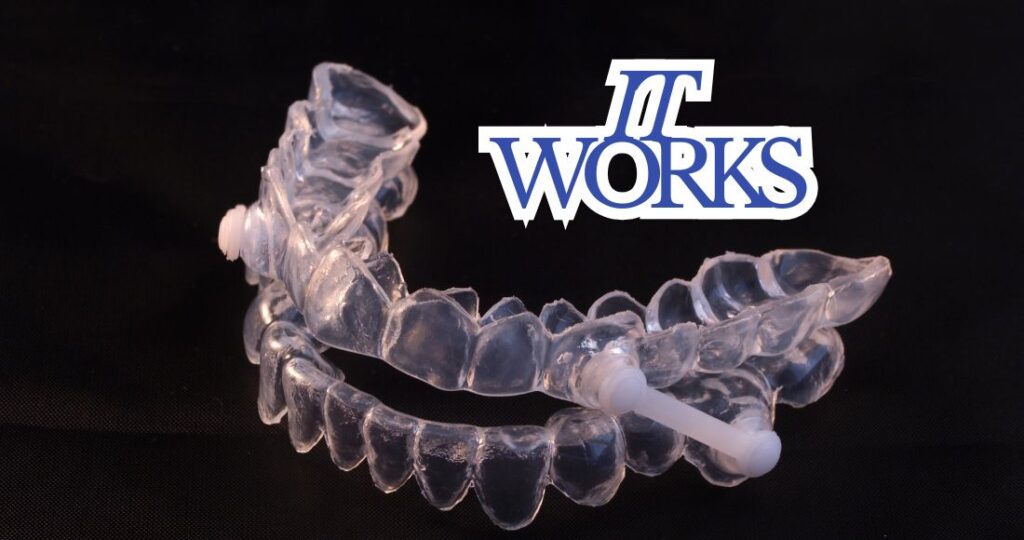
Think of it as the most sophisticated mouthguard you’ve ever seen. An oral appliance for sleep apnea is a custom-fitted dental device that you wear during sleep to keep your airway open. It looks somewhat similar to an orthodontic retainer or sports mouthguard, but the engineering and precision behind it are far more advanced.
The most common type used for sleep apnea treatment is called a mandibular advancement device, or MAD for short. These appliances work by gently repositioning your lower jaw (mandible) slightly forward while you sleep. This forward positioning has a cascading effect on your entire airway anatomy.
When your jaw moves forward, it pulls your tongue away from the back of your throat. It opens up space in your upper airway. It tensions the soft tissues that otherwise collapse during sleep. Essentially, it mechanically prevents the airway obstruction that causes your sleep apnea.
There are also tongue-retaining devices, which work slightly differently by holding your tongue forward using gentle suction. These are less common but can be effective for certain patients, particularly those who can’t tolerate jaw advancement or have specific anatomical features.
The key difference between a legitimate therapeutic oral appliance and some random device you might find online? Customization and professional oversight. The appliances used at Sleep Better Maryland are fabricated specifically for your mouth based on precise dental impressions, and they’re adjusted and monitored by Dr. Parmar to ensure they’re both comfortable and effective.
Why Oral Appliance Therapy Works When CPAP Doesn’t
Here’s what nobody tells you about CPAP: the compliance rates are absolutely terrible. Studies show that somewhere between 30-50% of people stop using their CPAP machine within the first year. Some research puts the abandonment rate even higher.
Why? Because sleeping with a mask strapped to your face, connected to a machine that forces air down your throat all night, is profoundly uncomfortable for many people. The mask leaves marks on your face. The air pressure can cause bloating. The noise disturbs your partner. You can’t easily roll over or change positions. And if you’re even slightly claustrophobic, the whole experience feels like torture.
CPAP therapy requires you to fundamentally change how you sleep. Oral appliance therapy doesn’t.
With an oral appliance, you pop the device into your mouth before bed—takes about five seconds—and you’re done. You can sleep in any position you want. There’s no noise except your regular breathing. No hoses to get tangled in. No electricity required. No face masks leaving imprints on your skin. You can even talk to your partner before falling asleep, which is impossible with CPAP.
The simplicity matters enormously because the best treatment isn’t the one that’s theoretically most effective—it’s the one you’ll actually use. If your CPAP machine is gathering dust in your closet, it doesn’t matter that it “works better” than an oral appliance. A treatment you use 85% of nights beats a treatment you abandoned after two weeks.
The Science Behind Oral Appliance Therapy
Let’s dig into the actual research for a minute, because you deserve to know that this isn’t just anecdotal evidence or marketing hype. Oral appliance therapy has been extensively studied, and the results are genuinely impressive.
The American Academy of Sleep Medicine recognizes oral appliances as a first-line treatment for patients with mild to moderate obstructive sleep apnea. They’re also recommended as an alternative for patients with severe sleep apnea who cannot tolerate CPAP therapy. This isn’t fringe medicine—it’s evidence-based, guideline-supported treatment.
Clinical studies have shown that oral appliances can reduce the apnea-hypopnea index (AHI) by 50% or more in the majority of patients. For many people, oral appliances successfully reduce their AHI to below five events per hour, which is considered normal. The oxygen desaturation events that damage your cardiovascular system? Those improve too.
But here’s where the research gets really interesting: when you factor in compliance rates, the real-world effectiveness of oral appliances often matches or exceeds CPAP. A 2015 study published in the journal SLEEP found that over time, the health outcomes for patients using oral appliances were comparable to those using CPAP, precisely because compliance rates were so much higher.
Your blood pressure improves. Your daytime sleepiness decreases. Your quality of life metrics go up. These aren’t just subjective feelings—they’re objectively measurable outcomes that show up in follow-up testing.
What Types of Oral Appliances Are Available?
Not all oral appliances are created equal, and this is where working with a specialist like Dr. Parmar in Clarksville, Maryland makes all the difference. There are actually dozens of different oral appliance designs, each with specific advantages and ideal use cases.
Mandibular Advancement Devices (MADs) are the most common type. These devices have upper and lower components that fit over your teeth, with a mechanism connecting them that holds your jaw forward. The sophisticated models—which is what Dr. Parmar uses—have adjustment mechanisms that allow fine-tuning of how far forward your jaw is positioned. This adjustability is crucial because the optimal position varies from person to person.
Some MADs are made from hard acrylic, others from softer materials, and some use a combination. The choice depends on factors like whether you grind your teeth, how strong your bite is, and your personal comfort preferences.
Tongue-Retaining Devices (TRDs) work differently by using a small bulb that creates gentle suction to hold your tongue forward. These can be effective for patients who can’t tolerate jaw advancement or who have dental conditions that make traditional MADs impractical. They’re less common but definitely have their place.
The specific appliance Dr. Parmar recommends for you will depend on several factors: your sleep apnea severity, your oral anatomy, whether you have any TMJ issues, the condition of your teeth, your tongue size and position, and your personal preferences. This is why the initial evaluation is so comprehensive—she needs to understand your complete picture to make the right recommendation.
You can learn more about the specific oral appliances available at Sleep Better Maryland, but the key takeaway is this: you’re getting a personalized solution, not a one-size-fits-all device.
The Treatment Process: What to Actually Expect
Let me walk you through what happens when you choose oral appliance therapy at Sleep Better Maryland. Understanding the process eliminates uncertainty and helps you know what you’re signing up for.
Step One: Comprehensive Evaluation – Your first appointment is all about assessment. Dr. Parmar examines your oral cavity, jaw relationship, tongue size, and airway anatomy. She reviews your sleep study results (or arranges for testing if you don’t have a recent study). She discusses your symptoms, your previous treatment attempts, and your goals. This isn’t a five-minute consultation—it’s a thorough evaluation that typically takes 45-60 minutes.
Step Two: Diagnosis and Treatment Planning – If you’re a good candidate for oral appliance therapy, Dr. Parmar will explain which type of appliance she recommends and why. You’ll discuss the expected outcomes, potential side effects, the adjustment period, and the follow-up care involved. This is your opportunity to ask questions and make sure you understand what you’re committing to.
Step Three: Impressions and Records – Dr. Parmar takes detailed dental impressions of your upper and lower teeth, along with a bite registration that captures your jaw relationship. These records, combined with specific instructions about your anatomy and treatment goals, get sent to a specialized dental laboratory that fabricates oral appliances. The lab process typically takes 2-3 weeks.
Step Four: Delivery and Fitting – When your custom appliance arrives, you return for a delivery appointment. Dr. Parmar carefully adjusts the fit, ensuring it’s comfortable and secure. She teaches you how to insert and remove it, how to clean it properly, and how to make minor adjustments at home if needed. You’ll wear it that night and see how it feels in real-world conditions.
Step Five: Adjustment Period – The first week or two feels weird for most people. Your mouth needs time to adapt to having something in it all night. You might experience extra salivation initially, some jaw soreness in the morning, or a temporary change in how your teeth fit together when you first wake up. These side effects are normal and typically resolve within a couple weeks. If they don’t, that’s what follow-up appointments are for.
Step Six: Titration and Optimization – Over the next few months, you’ll have several follow-up appointments where Dr. Parmar fine-tunes your appliance. She might gradually advance your jaw position further forward to optimize the therapeutic effect. This titration process ensures you’re getting maximum benefit while maintaining comfort.
Step Seven: Objective Verification – After you’ve been using your appliance consistently for at least two months and feel like it’s working well, you’ll need a follow-up sleep study. This might be a home sleep test or an in-lab study, depending on your situation. The goal is to objectively confirm that your AHI has decreased and your oxygen levels are staying normal throughout the night. Subjective improvement isn’t enough—Dr. Parmar needs actual data showing the treatment is working.
Step Eight: Long-Term Maintenance – Once your appliance is optimized and working well, you’ll transition to annual follow-up appointments for monitoring and maintenance. Dr. Parmar checks your bite, evaluates the appliance for wear, and ensures your sleep apnea remains well-controlled. Most appliances last 3-5 years with proper care before needing replacement.
Who Benefits Most From Oral Appliance Therapy?
While oral appliances can help many people with sleep apnea, certain patients tend to have particularly good outcomes. Understanding who benefits most helps you set realistic expectations.
You’re likely an excellent candidate if you have mild to moderate obstructive sleep apnea—typically defined as an AHI between 5 and 30. This is actually where oral appliances shine brightest, with success rates in the 60-80% range depending on the specific study and how success is defined.
Patients who have tried CPAP and couldn’t tolerate it are also ideal candidates. Maybe you developed skin irritation from the mask, felt claustrophobic, couldn’t sleep on your side comfortably, or just found the whole experience unbearable. You’re not a failure—CPAP genuinely doesn’t work well for everyone, and oral appliance therapy gives you a legitimate alternative.
If you’re younger, have a lower BMI, sleep primarily on your side, or have positional sleep apnea (where your sleep apnea is worse when sleeping on your back), you’re more likely to have excellent results with an oral appliance. These factors don’t guarantee success, but they definitely improve your odds.
People who travel frequently for work absolutely love oral appliances. Try packing a CPAP machine for a weekend business trip—it’s bulky, requires electricity, and turns heads when you go through airport security. An oral appliance fits in your toiletry bag, weighs almost nothing, and attracts zero attention.
Real Results: What Patients Actually Experience
Let’s talk about what changes when you start using an oral appliance effectively. Because the improvements go way beyond just sleeping better—though that alone would be worth it.
First and most obviously, the snoring usually stops or dramatically decreases within the first few nights. Your partner might actually thank you for finally doing something about the noise that’s been driving them crazy. Better yet, those terrifying moments when you completely stop breathing? They’re gone too, or at least drastically reduced.
But the really life-changing improvements come from finally getting restorative sleep on a consistent basis. That crushing fatigue you’ve been living with? It starts lifting. You wake up actually feeling refreshed instead of hitting snooze seventeen times and dragging yourself out of bed.
Your daytime energy improves dramatically. That afternoon crash where you’d kill for a nap suddenly disappears. Your concentration sharpens. Your memory gets better. The brain fog that you’ve just accepted as normal finally clears.
Your mood improves too. When you’re chronically sleep-deprived, everything is harder—you’re more irritable, more anxious, less patient with your kids or colleagues. Good sleep is foundational for mental health, and when that foundation is solid again, everything else improves.
Then there are the health benefits you can’t necessarily feel but are absolutely real. Your blood pressure may decrease. Your risk of heart attack and stroke goes down. Your blood sugar regulation improves. If you have diabetes, your A1C might get easier to control. You’re literally adding years to your life—quality years where you have the energy to enjoy yourself.
Addressing Common Concerns and Questions
“Will it hurt?” – The appliance itself shouldn’t cause pain. Some jaw soreness or muscle tenderness is normal in the first week or two while your mouth adapts, similar to how your mouth might feel after wearing braces. If you experience ongoing pain, that’s a sign the appliance needs adjustment, and that’s exactly what follow-up appointments are for.
“What if I can’t fall asleep with something in my mouth?” – Most people adapt within a few nights, though some take a week or two. The key is consistent use—even if it feels weird initially, your mouth and brain will adapt. It’s similar to wearing contact lenses for the first time; it feels foreign at first, but soon becomes completely normal.
“Can I drink water or talk while wearing it?” – You can definitely drink water while wearing most oral appliances. Talking is possible but sounds a bit muffled—think of it like trying to talk with a mouthguard in. Most people don’t find this to be an issue since you’re wearing it while sleeping.
“What about dental work?” – If you need dental work like fillings or crowns while using your appliance, just let both your general dentist and Dr. Parmar know. Minor dental work usually doesn’t require any changes to your appliance. More extensive work might mean your appliance needs adjustment or possibly replacement, but Dr. Parmar coordinates with your dentist to minimize any disruption.
“How do I clean it?” – Daily cleaning is simple—just brush your appliance with a soft toothbrush and mild soap or denture cleaner. Rinse it thoroughly. Once a week, you can soak it in a denture cleaning solution for deeper cleaning. Dr. Parmar provides detailed care instructions at your delivery appointment.
“What if I lose weight or gain weight?” – Significant weight changes can affect your sleep apnea severity and might require reassessment. If you lose substantial weight, your sleep apnea might improve to the point where you need less aggressive treatment. If you gain weight, your appliance might need adjustment or you might need additional therapy. This is why follow-up care is so important.
The Cost Reality: Investment vs. Expense
Let’s talk money because pretending it’s not a consideration would be ridiculous. Oral appliance therapy represents a significant investment in your health, and you deserve to understand what you’re paying for.
The total cost includes Dr. Parmar’s professional expertise and examination, the custom fabrication of your appliance by a specialized lab, the fitting and adjustment appointments, and all follow-up care during the first year. You’re not just buying a piece of plastic—you’re paying for specialized knowledge, custom manufacturing, and ongoing professional care.
Here’s what makes this more manageable: most medical insurance plans now cover oral appliance therapy for diagnosed obstructive sleep apnea. Notice I said medical insurance, not dental insurance. Sleep apnea is a medical condition, so treatment is covered under your medical benefits even though it’s provided by a dentist.
The team at Sleep Better Maryland handles all the insurance verification and prior authorization paperwork. They’ll check your benefits, submit the necessary documentation, and get approval before starting treatment so you know what your out-of-pocket costs will be upfront.
If you don’t have insurance coverage or if you have a high deductible, payment plans are available. Dr. Parmar believes that financial barriers shouldn’t prevent people from getting treatment they need, so the office works with patients to find solutions that fit different budgets.
Consider also what untreated sleep apnea costs you over time: increased risk of expensive health problems, lost productivity at work, potential accidents due to drowsiness, relationship strain, and the overall impact on your quality of life. Effective treatment isn’t just an expense—it’s an investment that pays dividends in better health and wellbeing.
Why Location Matters: Getting Treatment Locally in Clarksville
There’s something to be said for getting your healthcare close to home, especially when it involves ongoing care and follow-up appointments. Sleep Better Maryland’s location at 12620 Clarksville Pike, Suite A puts it right in the heart of Clarksville, easily accessible whether you’re coming from Columbia, Ellicott City, Highland, Fulton, or anywhere else in Howard County.
The convenience factor matters more than you might think. Oral appliance therapy requires multiple appointments during the fitting and adjustment phase. Having a provider just fifteen minutes away instead of an hour away makes it far more likely that you’ll keep those appointments and get the care you need.
Dr. Parmar has also built relationships with other healthcare providers in the area—primary care physicians, sleep specialists, ENT doctors—which means better coordinated care for you. She can easily communicate with your other providers, share information, and ensure everyone’s working together toward your health goals.
The office hours—Mondays 9am-4pm and Tuesday through Thursday 8am-4pm—are designed to accommodate working professionals. Early morning appointments mean you can stop by before work. Afternoon slots let you swing by on your lunch break or after work.
Making Oral Appliance Therapy Work for You
Success with oral appliance therapy isn’t just about getting fitted with a device—it’s about committing to the process and working with Dr. Parmar to optimize your treatment. Here’s what that looks like in practice.
Consistency is crucial. You need to wear your appliance every night, not just on nights when you remember or when your partner complains about snoring. Sleep apnea doesn’t take nights off, and neither should your treatment. The patients who see the best results are the ones who wear their appliances 85-90% of nights or more.
Communication matters. If something doesn’t feel right, if you’re experiencing side effects that aren’t resolving, or if you’re not noticing improvement, tell Dr. Parmar. She can’t help if she doesn’t know there’s a problem. Most issues are easily resolved with simple adjustments.
Keep your follow-up appointments. It’s tempting to skip them once your appliance feels comfortable, but these appointments are essential for monitoring your treatment effectiveness and catching potential problems early. Dr. Parmar might notice wear patterns on your appliance or changes in your bite that you’re not aware of.
Take care of your appliance. Daily cleaning, proper storage, and handling your appliance carefully will extend its lifespan and ensure it continues working effectively. Most appliances last 3-5 years, but neglected appliances might need replacement sooner.
Maintain good sleep hygiene. Oral appliance therapy treats your sleep apnea, but you’ll get even better results if you’re also practicing good sleep habits: maintaining a consistent sleep schedule, creating a relaxing bedtime routine, keeping your bedroom cool and dark, and avoiding alcohol close to bedtime.
The Bigger Picture: Why Treating Sleep Apnea Matters
Before we wrap up, let’s zoom out for a second and remember why any of this matters in the first place. Sleep apnea isn’t just an annoyance or something you can tough out—it’s a serious medical condition with real health consequences.
Every time you stop breathing during sleep, your oxygen levels drop. Your brain panics and jolts you awake just enough to resume breathing. Your blood pressure spikes. Stress hormones flood your system. Your heart rate becomes irregular. This happens potentially hundreds of times per night, night after night, year after year.
The cumulative damage is profound. Untreated sleep apnea significantly increases your risk of hypertension, heart disease, stroke, type 2 diabetes, depression, and even certain cancers. It contributes to weight gain, which worsens the sleep apnea, creating a vicious cycle. It increases your risk of car accidents due to drowsy driving.
But here’s the encouraging part: these effects are largely reversible with effective treatment. When you start getting quality sleep consistently, your body begins healing. Your cardiovascular system gets a break. Your metabolism improves. Your mood stabilizes. You’re not just feeling better—you’re actually becoming healthier.
This is why finding a sleep apnea treatment that you’ll actually use is so critical. The most effective treatment in the world doesn’t matter if it’s sitting unused in your closet. Oral appliance therapy succeeds not because it’s theoretically superior to everything else, but because it’s effective enough AND comfortable enough that people actually use it.
You can read more about what sleep apnea is and why it matters on the Sleep Better Maryland website, but the bottom line is simple: treating your sleep apnea is one of the most important things you can do for your long-term health.
Your Path Forward Starts With One Decision
If you’ve read this far, you’re clearly serious about finding a solution to your sleep apnea. You’re done suffering through restless nights, debilitating fatigue, and the constant fear that your health is deteriorating. You’re ready to take action.
Oral appliance therapy in Clarksville, Maryland offers you a realistic alternative to CPAP—one that’s proven effective, comfortable enough to use consistently, and backed by solid scientific research. Dr. Rashmi Parmar has dedicated her practice to helping patients like you find freedom from sleep apnea using these innovative devices.
The next step is straightforward: schedule a consultation. Come in, get evaluated, learn about your specific options, and make an informed decision about your treatment. There’s no pressure, no obligation—just honest information about what might work for your particular situation.
You can learn more about Dr. Parmar’s background and approach to patient care, or you can simply pick up the phone and take that first step toward better sleep.
Don’t waste another night tossing and turning, struggling with a CPAP mask you hate, or suffering through untreated sleep apnea because you’ve given up on treatment altogether. Better sleep is possible. Better health is within reach. And it might be more comfortable and convenient than you ever imagined.
Call Sleep Better Maryland today at 410 531 5639 to schedule your oral appliance therapy consultation. Your journey to restful, restorative sleep starts with one phone call—and you deserve to sleep better tonight.